

Aaron Phillips
Chief Marketing Officer & Co-Founder · Consent Resolve
Coldspring, TX · “Positioning. Calling out the BS.”
Aaron Phillips is the CMO and a co-founder of Consent Resolve, with 20+ years marketing web hosting, security, and SaaS. He spent eight years in cPanel executive leadership (including Chief Business Officer and VP of Operations), handled business development at WHMCS, sat on the i2Coalition board, and served as CMO of anti-malware platform Monarx. He also runs Hey Aaron! Marketing, a consultancy serving plumbers, roofers, and other home-service contractors in East Texas — which is why Consent Resolve speaks contractor, not ad-tech.
- •8 years cPanel executive leadership (CBO, VP Ops)
- •CMO, Monarx (anti-malware)
- •Business development at WHMCS
- •i2Coalition board
- •Runs Hey Aaron! Marketing for East Texas contractors
Marketing, positioning, lead-gen strategy, and translating tech into contractor English.
Posts by Aaron Phillips

Answer Leads Faster Instead of Buying More
When the calendar's thin, the reflex is to buy more leads. But if you're answering the ones you have slowly, more volume just means more jobs lost to a faster shop. Speed beats volume — and it's cheaper.

Bad Data Is Quietly Killing Your Business CRM
Your CRM isn't underperforming because it's the wrong tool. It's clogged with duplicates, typos, and dead emails. Here's why data quality decides whether follow-up ever lands.
Why Exclusive Leads Matter Most on Big-Ticket Jobs
A shared lead hurts on any deal, but on a large contract or a full-scale engagement it's a different order of pain. Here's why exclusivity matters most when the ticket is big.
Seeing Your Visitors Is Half the Job — Speed Wins the Rest
Turning on visitor identification tells you who's shopping — but that's only half the job. The business who follows up first books the work. Here's how to win the clock.

How Businesses Capture the Quote-Shoppers Who Never Fill Out a Form
High-ticket sales are a high-comparison category — visitors price five businesses before they pick one, and most leave your site anonymous. Here's how businesses keep the quote-shoppers a form was never going to catch.

How Businesses Turn Repeat Website Visitors Into Closed Deals
A large project is a five-figure decision, so visitors come back to your site two or three times before they choose. Here's the playbook for catching the return visit and closing the deal.
How Many Leads Do You Actually Need to Hit Your Revenue Goal?
Most businesses guess at their lead budget. There's a better way: start from the revenue goal and work backward through job value, book rate, and cost per lead to the exact number.
How to Calculate Your Website's Wasted Ad Spend (Step by Step)
Two numbers off your ad dashboard and one benchmark are all you need to put a hard dollar figure on the ad spend leaking off your website every month. Here's the exact math, step by step.
How to Measure Your Website's Lead Capture Rate
Most businesses track traffic. Almost none track the one number that actually predicts closed deals: what share of visitors become real contacts. Here's how to measure it in ten minutes.

How to Nurture Home-Service Leads Who Aren't Ready to Buy
The visitor who books your biggest job usually isn't ready the first time they find you. Here's the between-visits follow-up that keeps you the shop they remember when they finally are.
How to Set Up Consent-First Retargeting (Step by Step)
You don't need a marketing team to turn your site visits into a warm ad audience. Here's the actual step-by-step: install the script, put consent first, let the audience build, then point your existing ads at it.

How to Set Up Retargeting for Your Business Website
You know retargeting works. This is the part nobody explains: how to actually turn it on for a business website, step by step, without hiring an agency.

How to Set Up Return-Visit Alerts for Your Contracting Business
Knowing a past visitor came back only helps if the alert actually reaches you and turns into a fast reply. Here's the step-by-step setup that makes that happen — and what to skip.

The Real Value of a Recurring Client Lead: One Low-Cost Contact, Years of Revenue
Most recurring-service businesses price a lead like it's worth one sale. But a recovered, custom-priced contact that turns into a recurring client is worth years of revenue. Here's the math.
You Rank #1 on Google and Still Aren't Booking Jobs
You did the SEO work, you're on page one, the traffic is up — and the calendar looks the same. The gap isn't your ranking. It's what happens after the click.
The Free Lead You Recover Is Only Worth It If You Answer Fast
Recovering the 98% of visitors who leave anonymous is the cheap part. The part that decides whether those leads become jobs is how fast you follow up — and the window is smaller than most shops think.

Referrals vs. Buying Leads: The Real Cost Over a Year
A referral arrives warm and costs almost nothing to attract. A bought lead arrives cold and gets sold to four other pros at the same time. Here's the honest year-long math on both — and why one compounds while the other just repeats.

Retargeting vs. Buying Shared Leads: The Real Cost
A shared lead costs $46 to $53 and gets sold to four or five businesses at once. Retargeting a visitor who already chose your site costs custom pricing and is yours alone. Here's the math laid side by side.

The Cheapest Lead You Own Is the Visitor Who Came Back
Businesses spend real money buying shared leads while the warmest lead they'll get all week — a past visitor coming back — slips by for nothing. Here's the cost comparison nobody runs.

Seeing Website Visitors in Real Time — and Acting the Same Day
There's traffic on your site this minute — people pricing jobs, reading reviews, weighing a call. A report you read next Tuesday can't help you reach any of them. A real-time view can.
Your Slow Season Is a Capture Problem, Not a Demand Problem
Every slow season feels like demand dried up. Look closer and it's usually a capture problem — the visitors still came, you just had no way to keep them. Here's the diagnosis.

Slow-Season Marketing Budget: The Math on an Exclusive Lead vs. New Clicks
In a slow month the reflex is to slash the marketing budget. But run the cost-per-lead math three ways and cutting saves the least. Here's the calculation.
The Real Cost of Working Your Leads in the Wrong Order
Working leads in the order they arrived feels productive. But when the fastest responder wins 78% of jobs, the order you work matters in dollars — here's the math on what a flat list quietly costs you.

The High-Intent Visitors Leaving Your Site Anonymous Every Day
The anonymous visitor who read your pricing page and left isn't a tire-kicker — they're a visitor actively pricing the job. Here's how to recognize the intent you're throwing away, and capture it without a bigger budget.

Turn Online Reviews Into a Referral Engine That Works While You Sleep
A private referral reaches one neighbor. A public review is a referral that reaches every stranger searching for your trade. Here's how to turn your reviews into a referral engine that keeps recommending you long after the job is done.

Popups, Chat, Retargeting, or Formless Capture: What Keeps the 98%?
Exit-intent popups, chat widgets, retargeting ads, formless capture — there are a handful of ways to reach the visitors who leave without converting. Here's an honest head-to-head on which ones actually give you a lead you can follow up with.

What a Lost Lead Actually Costs You — Run the Real Math
A visitor pricing a big job who leaves your site anonymous isn't a small miss — the deal behind them can be worth thousands. Here's how to actually price a lost lead, and why custom-pricing recovery is such lopsided math.

What Your Anonymous Website Traffic Is Actually Costing You
You already spent money to bring visitors to your site. When 98% of them leave without a name, that spend doesn't disappear — it just stops working. Here's the real cost of anonymous traffic, and the math on getting it back.

Why Gut-Feel Lead Triage Quietly Fails Businesses
Most businesses triage leads by feel — whoever seems keenest, whoever called last, whoever's name they remember. Here's why that instinct misfires, and what actually predicts which visitor books.

Why More Ad Spend Won't Fix Your Lead Problem
When leads dry up, the reflex is to buy more traffic. But if 98% of your visitors already leave without converting, more spend just pours water into a leaky bucket faster. Here's the contrarian fix.

Why Shared Leads Are Tire-Kickers by Design
You already know a tire-kicker can eat an afternoon. What stings more is when it's a lead you paid $50 for — sold to four other businesses at the same time. Here's why shared leads waste time by design.

Why Visitors Abandon Your Contact Form (Field by Field)
A visitor ready to book opens your contact form, looks at the fields, and closes the tab. Here's a field-by-field autopsy of why they leave — and how to catch them anyway.
Why 98% of Website Visitors Leave Without Converting
Roughly 98% of the visitors who visit your site leave without ever calling or filling out a form — and it's usually not because your website is bad. Here's what's actually going on in their heads and what changes it.
An Email Alert Is Not Lead Delivery — Here's the Difference
A 'you have a new lead' email tells you a lead exists — then makes you do everything else by hand. Real delivery lands the lead structured in your CRM. Here's why the difference decides whether it gets worked.

Blind Shared Leads vs. Website Leads That Arrive With Context
A shared-marketplace lead lands as a name and a phone number, sold to four other pros, with no idea what the visitor actually wants. A consented lead off your own site arrives with the pages they read attached. That context is the whole difference.
Consent Banner vs. Contact Form: Which Captures More Leads?
A contact form waits for the rare visitor willing to type out their details. A consent banner asks a much simpler question of everyone. Here's how the two capture leads differently — and why the smart move is running both.

Consent Resolve Is Live on Product Hunt
Today Consent Resolve is live on Product Hunt. It's the consent-first visitor-identification layer that hands home-service pros the ~98% of site visitors who leave without a word — as exclusive, consent-first leads at custom pricing.

The Quietest Competitor You Have Is Your Own 'Contact Us' Form
It sits there looking helpful, but your contact form only works for the few visitors ready to type their details. For everyone else, it's a door that quietly closes.

Cost Per Lead vs. Cost Per Job: The Number That Actually Matters
A lead price looks like the cost. It isn't. The honest number is what you pay for a job that actually books — and a 'cheap' lead can be the most expensive one you buy.

Your CRM Is Only as Good as What You Put Into It
Every business wants a better CRM. But a CRM doesn't book jobs — it just holds whatever you put into it. The real lever is the quality and speed of what goes in.
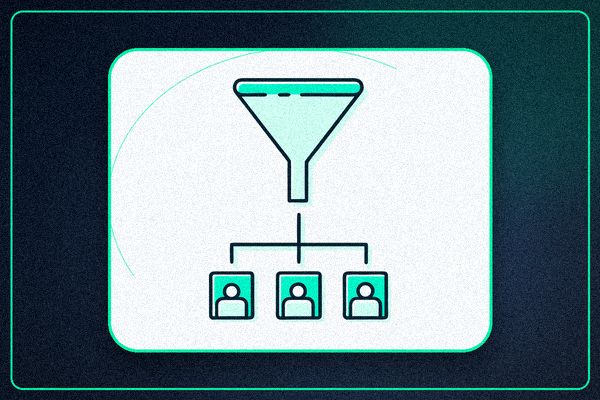
Get More Leads Without Spending Another Dollar on Ads
The cheapest leads you'll ever get are the ones already visiting your site. Most of them leave without a word — here's how to recover them on the budget you already spend.

Get More Reviews Without Begging for Them
Reviews win you the next job, but begging for them one text at a time wears everybody out. The fix is timing and a repeatable ask — not more pestering.

Why High-Ticket Google Ads Leads Cost $50–$95 (and the Cheaper Path)
High-ticket, high-competition leads are some of the most expensive on Google, running $50–$95 apiece. Here's what drives that price sky-high — and why the cheapest lead is one you already paid to attract.

How Businesses Rank in the Google Map Pack (the Three-Result Box)
The map pack — those top three local results with the little map — decides most business searches before anyone scrolls. Here's what actually gets you in the box, and what to do with the calls it sends.
How to Respond to Customer Reviews — Including the Bad One
Collecting reviews is half the game — how you reply to them is the other half. Your responses are read by the next visitor deciding whether to call, so here's how to handle praise and the occasional one-star so both work in your favor.

How to Turn a Visitor's Browse History Into Follow-Up Templates
Reading a visitor's page trail is only useful if it changes what you send. Here's a practical, repeatable way to turn those pages into a handful of job-type templates so relevant follow-up happens by default, not by inspiration.

Local SEO for Busy Pros: The 20% That Actually Moves the Needle
You don't have time for a 200-point SEO checklist. Here's the short list of local SEO moves that actually get busy businesses found — and what to do with the traffic.

Local Services Ads vs. Google Search Ads: Which Is Cheaper Per Lead?
Local Services Ads bill you per lead; Search Ads bill you per click. The two produce very different real costs for businesses. Here's how they compare — and the option that beats both on the traffic you already buy.

More Traffic Is the Wrong Goal
Everyone wants more traffic. But if 98% of the people who already visit leave without a word, more clicks just means a bigger leak. The real lever is capture.

Most Business Leads Show Up After Hours — And You're Not There
The visitor researching a new furnace at 9 p.m. isn't going to call your closed shop. They'll browse, compare, and reach out to whoever answers — which won't be you if your follow-up sleeps when you do.

The One-Page Website Audit for Busy Businesses
You don't need an agency to find what's leaking jobs on your website. Six quick checks, in plain English, that you can run over a cup of coffee.
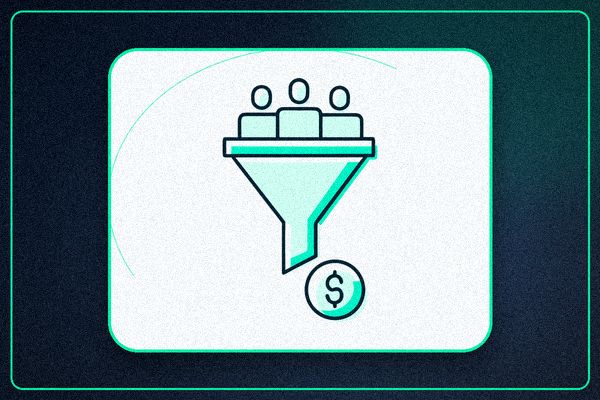
You're Paying for Traffic and Throwing Most of It Away
You spend to get people to your website, then most of them leave without a trace. The cheapest growth you can buy isn't more clicks — it's keeping the ones you already paid for.
Retargeting for Businesses Without the Jargon
Retargeting gets dressed up in ad-tech jargon, but the idea is dead simple: show your ad again to the people who already looked at your site. Here's how it works for a business.
Shared vs. Exclusive Leads: The Math Every Business Should Run
A shared lead isn't yours — it's sold to four or five businesses at once, at premium prices. Here's the math, the legal risk, and why exclusive usually wins.
The 98% Problem: Most Visitors Leave and You Never Knew
For every visitor who fills out your form, dozens come and go without a trace. This is the quiet leak in almost every business's website — and most owners never see it happen.

The Busy Season Rush Is Coming — Stop Letting Ready Buyers Leave Anonymous
Before the Q4 rush, visitors quietly price big projects on your site for weeks. Here's how to catch the ready buyers instead of watching them leave anonymous.
The Real Cost of Leads That Never Reach Your CRM
A recovered lead that sits in an export file isn't a lead — it's a sunk cost. Here's the plain dollar math on what the hand-off gap costs, and why a delivered, custom-priced lead is the cheapest fix in your funnel.

The Website Audit Checklist Every Business Facing an Urgent Buyer Should Run
Urgent, high-stakes purchases have their own shopping pattern — time-pressured, approval-tangled, trust-heavy. A generic audit misses what actually loses you jobs. Here's the checklist built for it, plus the leak most of these sites never plug.
Your Website Is a Storefront With the Lights Off
Customers walk into your website every day, and you can't see one of them. It's a storefront with the lights off — and most visitors leave in under 90 seconds without a word.

What a Missed Call Actually Costs a Business
Most businesses treat a missed call as a message they'll return later. Do the math on what one actually costs — job value times close rate times the odds the visitor already booked someone else — and the number gets uncomfortable fast.

What a Website Trail Reveals About a Lead
A visitor on your site who reads the support and troubleshooting pages is a very different lead from one comparing your full-service package and pricing. The trail tells you which — before you ever pick up the phone.

What Every Business Should Know About the Shoppers Who Visit and Vanish
When your busy season hits, visitors arrive on your site, look around, and disappear. Here's what's going on in their heads — and how to catch them anyway.

What an Exclusive Lead Is Actually Worth
A shared lead and an exclusive lead aren't the same product at different prices — they're different products. Here's the real math on what each is worth.

When Shared Leads Actually Make Sense for Businesses (and When They Don't)
Most articles tell you shared leads are always a trap. That's too simple. Here's the honest decision framework — when a shared lead earns its price, and when an exclusive lead wins.

Why a Slow Website Quietly Loses Businesses Jobs
A slow site doesn't throw an error or send a complaint. The visitor just backs out and taps the next result. Here's how to check your own load speed — and the bigger leak a fast site still can't fix on its own.

Why Businesses Lose Their Best Leads During Tax Season (And How to Keep Them)
Tax-refund checks turn into purchase budgets every spring — and visitors quietly price the deal on your site before they ever call. Most leave anonymous. Here's how to keep them.

Why Buyers Research for Weeks Before Reaching Out
A visitor planning a big purchase visits your site again and again over weeks — comparing, pricing, second-guessing — long before they call. Here's how the long buying cycle works, and how to be the business they reach out to when it ends.
Why Google Ads Feel So Expensive (and What to Do Instead)
Google Ads feel expensive because you're paying full price for every click and only a sliver of them ever call. The fix isn't a bigger budget — it's catching the clicks you already bought.

Why Online Reviews Win Business Jobs Before You Ever Talk
Reviews feel like vanity numbers until you realize they're doing your selling while you sleep. Here's why a visitor's decision to call you — or the shop across town — is usually made before you ever pick up the phone.

Your Busiest Season Is Also Your Biggest Lead Leak — Here's the Fix
The first surge pushes your call volume up and your website traffic with it. But the busiest season of the year is also when the most ready buyers leave your site anonymous. Here's the fix.