
Blog
Ideas and evidence on consent-first, privacy-safe lead generation for home services.
Answer Leads Faster Instead of Buying More
When the calendar's thin, the reflex is to buy more leads. But if you're answering the ones you have slowly, more volume just means more jobs lost to a faster shop. Speed beats volume — and it's cheaper.

Bad Data Is Quietly Killing Your Business CRM
Your CRM isn't underperforming because it's the wrong tool. It's clogged with duplicates, typos, and dead emails. Here's why data quality decides whether follow-up ever lands.
Do Your Bought Leads Come With Proof of Consent? Usually Not
When you buy a lead from a broker or a shared-lead reseller, the contact shows up but the consent almost never does. Here's why the proof gets left behind — and what it costs you when someone asks.
Why Exclusive Leads Matter Most on Big-Ticket Jobs
A shared lead hurts on any deal, but on a large contract or a full-scale engagement it's a different order of pain. Here's why exclusivity matters most when the ticket is big.
Fast Lead Follow-Up Without Breaking the Law
Speed wins the job — but the fastest instinct, grabbing the phone, is exactly where a lot of shops trip the TCPA. Here's how to hit the follow-up window the compliant way, every time.
Seeing Your Visitors Is Half the Job — Speed Wins the Rest
Turning on visitor identification tells you who's shopping — but that's only half the job. The business who follows up first books the work. Here's how to win the clock.

How Businesses Capture the Quote-Shoppers Who Never Fill Out a Form
High-ticket sales are a high-comparison category — visitors price five businesses before they pick one, and most leave your site anonymous. Here's how businesses keep the quote-shoppers a form was never going to catch.

How Businesses Turn Repeat Website Visitors Into Closed Deals
A large project is a five-figure decision, so visitors come back to your site two or three times before they choose. Here's the playbook for catching the return visit and closing the deal.
How Many Leads Do You Actually Need to Hit Your Revenue Goal?
Most businesses guess at their lead budget. There's a better way: start from the revenue goal and work backward through job value, book rate, and cost per lead to the exact number.
How to Calculate Your Website's Wasted Ad Spend (Step by Step)
Two numbers off your ad dashboard and one benchmark are all you need to put a hard dollar figure on the ad spend leaking off your website every month. Here's the exact math, step by step.
How to Measure Your Website's Lead Capture Rate
Most businesses track traffic. Almost none track the one number that actually predicts closed deals: what share of visitors become real contacts. Here's how to measure it in ten minutes.

How to Nurture Home-Service Leads Who Aren't Ready to Buy
The visitor who books your biggest job usually isn't ready the first time they find you. Here's the between-visits follow-up that keeps you the shop they remember when they finally are.
How to Set Up Consent-First Retargeting (Step by Step)
You don't need a marketing team to turn your site visits into a warm ad audience. Here's the actual step-by-step: install the script, put consent first, let the audience build, then point your existing ads at it.

How to Set Up Retargeting for Your Business Website
You know retargeting works. This is the part nobody explains: how to actually turn it on for a business website, step by step, without hiring an agency.
How to Vet a Visitor-Identification Tool for Compliance
Not every 'visitor identification' tool is built to keep you out of court. Here's the buyer's checklist — the seven questions to put to any vendor before you sign up, and the answers that separate a consent-first tool from a lawsuit waiting to happen.

How to Set Up Return-Visit Alerts for Your Contracting Business
Knowing a past visitor came back only helps if the alert actually reaches you and turns into a fast reply. Here's the step-by-step setup that makes that happen — and what to skip.
Is Buying a Visitor Lead List Legal?
The straight answer to a question a lot of businesses quietly wonder about: is it actually legal to buy a list of visitors and market to them? Here's the real legal picture — federal and state.
Is It Legal to Know When a Past Visitor Returns to Your Site?
Knowing the moment a past visitor comes back is one of the best signals a business can act on — but only if you're allowed to know it. Here's where consent draws the legal line.

Is Retargeting Legal for Businesses? The Consent Question
Retargeting isn't against the law. Building the audience from people who never agreed to be tracked is where businesses get exposed. Here's the line, and how to stay on the right side of it.
Is Identifying Your Website Visitors Legal? The Consent-First Line
You can legally identify the visitors on your website — the question is how. The line runs between consent-first identification and the covert tracking now drawing lawsuits.

The Real Value of a Recurring Client Lead: One Low-Cost Contact, Years of Revenue
Most recurring-service businesses price a lead like it's worth one sale. But a recovered, custom-priced contact that turns into a recurring client is worth years of revenue. Here's the math.
You Rank #1 on Google and Still Aren't Booking Jobs
You did the SEO work, you're on page one, the traffic is up — and the calendar looks the same. The gap isn't your ranking. It's what happens after the click.
The Free Lead You Recover Is Only Worth It If You Answer Fast
Recovering the 98% of visitors who leave anonymous is the cheap part. The part that decides whether those leads become jobs is how fast you follow up — and the window is smaller than most shops think.
Referrals vs. Buying Leads: The Real Cost Over a Year
A referral arrives warm and costs almost nothing to attract. A bought lead arrives cold and gets sold to four other pros at the same time. Here's the honest year-long math on both — and why one compounds while the other just repeats.
Retargeting vs. Buying Shared Leads: The Real Cost
A shared lead costs $46 to $53 and gets sold to four or five businesses at once. Retargeting a visitor who already chose your site costs custom pricing and is yours alone. Here's the math laid side by side.
The Cheapest Lead You Own Is the Visitor Who Came Back
Businesses spend real money buying shared leads while the warmest lead they'll get all week — a past visitor coming back — slips by for nothing. Here's the cost comparison nobody runs.
Route Scored Leads Into Follow-Up That Runs Itself
A score that just sits on a lead is a number nobody acts on. The payoff comes when the score routes the work — hot to you, warm and cold to sequences that run without you. Here's how to wire it up.
Seeing Website Visitors in Real Time — and Acting the Same Day
There's traffic on your site this minute — people pricing jobs, reading reviews, weighing a call. A report you read next Tuesday can't help you reach any of them. A real-time view can.
Your Slow Season Is a Capture Problem, Not a Demand Problem
Every slow season feels like demand dried up. Look closer and it's usually a capture problem — the visitors still came, you just had no way to keep them. Here's the diagnosis.
Slow-Season Marketing Budget: The Math on an Exclusive Lead vs. New Clicks
In a slow month the reflex is to slash the marketing budget. But run the cost-per-lead math three ways and cutting saves the least. Here's the calculation.
The Real Cost of Working Your Leads in the Wrong Order
Working leads in the order they arrived feels productive. But when the fastest responder wins 78% of jobs, the order you work matters in dollars — here's the math on what a flat list quietly costs you.

The High-Intent Visitors Leaving Your Site Anonymous Every Day
The anonymous visitor who read your pricing page and left isn't a tire-kicker — they're a visitor actively pricing the job. Here's how to recognize the intent you're throwing away, and capture it without a bigger budget.
Turn Online Reviews Into a Referral Engine That Works While You Sleep
A private referral reaches one neighbor. A public review is a referral that reaches every stranger searching for your trade. Here's how to turn your reviews into a referral engine that keeps recommending you long after the job is done.
Visitor Identification Without Fingerprinting: Why It's Lawful
Plenty of tools claim they can identify your website visitors. Most do it by fingerprinting people who never agreed — and that's exactly the practice regulators are now suing over. Here's the difference that keeps you clear.
Popups, Chat, Retargeting, or Formless Capture: What Keeps the 98%?
Exit-intent popups, chat widgets, retargeting ads, formless capture — there are a handful of ways to reach the visitors who leave without converting. Here's an honest head-to-head on which ones actually give you a lead you can follow up with.

What a Lost Lead Actually Costs You — Run the Real Math
A visitor pricing a big job who leaves your site anonymous isn't a small miss — the deal behind them can be worth thousands. Here's how to actually price a lost lead, and why custom-pricing recovery is such lopsided math.
What Your Anonymous Website Traffic Is Actually Costing You
You already spent money to bring visitors to your site. When 98% of them leave without a name, that spend doesn't disappear — it just stops working. Here's the real cost of anonymous traffic, and the math on getting it back.

What Actually Counts as TCPA Consent (and What Doesn't)
Under the TCPA, not every 'yes' is a yes. A buried checkbox, an implied opt-in, or a name from a purchased list won't hold up. Here's what actually counts as consent — and why a timestamped record is the difference between defensible and exposed.

What Data Is Actually in a Consented Visitor Lead
Identifying a website visitor without a form fill sounds like it must involve a deep profile. It doesn't. Here's the actual contents of a consented lead — and why what's left out is the point.

What the FTC's HomeAdvisor Order Teaches Businesses About Buying Leads
The FTC's 2023 HomeAdvisor consent order was aimed at a lead seller, not the businesses buying from it. But the lesson underneath it is the one every shop that buys leads should read.
Which Privacy Laws Actually Require You to Prove Lead Consent?
The TCPA, CIPA, and state privacy laws each govern a different piece of how you contact leads — but they converge on one question you'd better be able to answer: can you prove the person agreed?

Who Actually Owns Your Leads?
There's a question most businesses never ask about the leads they pay for: do I actually own this, or am I just renting access? The answer changes everything.

Why Gut-Feel Lead Triage Quietly Fails Businesses
Most businesses triage leads by feel — whoever seems keenest, whoever called last, whoever's name they remember. Here's why that instinct misfires, and what actually predicts which visitor books.

Why Lead Resellers Can't Tell You Where They Got the Info
The reason 'where did you get my info?' rattles businesses isn't the question — it's that a bought lead comes with no answer. Here's why chain of custody is the whole problem, and how consent-first fixes it.

Why More Ad Spend Won't Fix Your Lead Problem
When leads dry up, the reflex is to buy more traffic. But if 98% of your visitors already leave without converting, more spend just pours water into a leaky bucket faster. Here's the contrarian fix.

Why Shared Leads Are Tire-Kickers by Design
You already know a tire-kicker can eat an afternoon. What stings more is when it's a lead you paid $50 for — sold to four other businesses at the same time. Here's why shared leads waste time by design.

Why Visitors Abandon Your Contact Form (Field by Field)
A visitor ready to book opens your contact form, looks at the fields, and closes the tab. Here's a field-by-field autopsy of why they leave — and how to catch them anyway.
Why 98% of Website Visitors Leave Without Converting
Roughly 98% of the visitors who visit your site leave without ever calling or filling out a form — and it's usually not because your website is bad. Here's what's actually going on in their heads and what changes it.
A Signed Receipt on Every Lead: Why Consent Records Protect Your Shop
A name and an email tell you who to follow up with. A timestamped consent record tells you that you're allowed to — and proves it if anyone ever asks. That receipt is the part most lead tools skip.
An Email Alert Is Not Lead Delivery — Here's the Difference
A 'you have a new lead' email tells you a lead exists — then makes you do everything else by hand. Real delivery lands the lead structured in your CRM. Here's why the difference decides whether it gets worked.
When a Texan Invokes Their TDPSA Rights: How to Answer a Data Request
The Texas TDPSA doesn't just ask you to collect data carefully — it gives Texans the right to ask what you have, delete it, or stop its sale. Here's the calm, practical way a business answers that request, and why consent-first makes it a lookup instead of a scramble.
Blind Shared Leads vs. Website Leads That Arrive With Context
A shared-marketplace lead lands as a name and a phone number, sold to four other pros, with no idea what the visitor actually wants. A consented lead off your own site arrives with the pages they read attached. That context is the whole difference.
Capturing the 98% Who Will Never Fill Out Your Form
For every visitor who fills out your form, dozens browse and leave without a word. Here's how consent-first, formless capture reaches the majority your form was never going to catch.
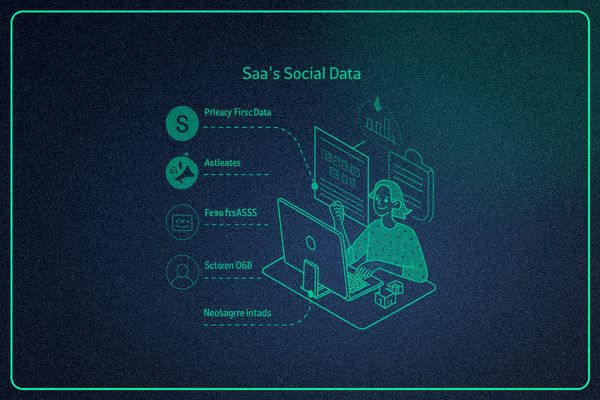
Connecting Recovered Leads to Your Field-Service CRM: A Setup Walkthrough
Wiring recovered leads into the CRM you already run isn't an IT project — it's a short, ordered setup you can finish in an afternoon. Here's the connect-map-route-test walkthrough for a field-service shop.
Consent Banner vs. Contact Form: Which Captures More Leads?
A contact form waits for the rare visitor willing to type out their details. A consent banner asks a much simpler question of everyone. Here's how the two capture leads differently — and why the smart move is running both.
Consent-First vs. Buy-a-List: The Difference That Keeps You Out of Court
Buying or renting a contact list feels like the fast way to fill the pipeline — until you do the per-message math. Here's why consent-first identification is the version that keeps you out of court.

Consent Resolve Is Live on Product Hunt
Today Consent Resolve is live on Product Hunt. It's the consent-first visitor-identification layer that hands home-service pros the ~98% of site visitors who leave without a word — as exclusive, consent-first leads at custom pricing.
The Quietest Competitor You Have Is Your Own 'Contact Us' Form
It sits there looking helpful, but your contact form only works for the few visitors ready to type their details. For everyone else, it's a door that quietly closes.

Cost Per Lead vs. Cost Per Job: The Number That Actually Matters
A lead price looks like the cost. It isn't. The honest number is what you pay for a job that actually books — and a 'cheap' lead can be the most expensive one you buy.
Your CRM Is Only as Good as What You Put Into It
Every business wants a better CRM. But a CRM doesn't book jobs — it just holds whatever you put into it. The real lever is the quality and speed of what goes in.
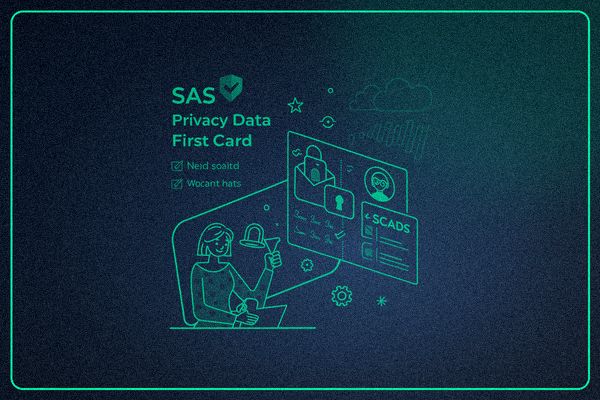
Do the Shared Leads You Buy Actually Have Consent?
When you buy a shared lead, you inherit a phone number and none of the paper behind it. Here's why that gap is a TCPA and CIPA problem — and who's on the hook when a visitor complains.

The Follow-Up Window That Wins Jobs
There's a narrow window right after a visitor shows interest where the job is yours to win. Miss it, and you're playing catch-up against shops that didn't.
From Anonymous Visitor to Your CRM in One Clean Hand-Off
The best recovered lead in the world is useless if it lands in a spreadsheet you check on Fridays. CRM delivery drops every consented visitor straight into the tool your team already lives in.
Get More Leads Without Spending Another Dollar on Ads
The cheapest leads you'll ever get are the ones already visiting your site. Most of them leave without a word — here's how to recover them on the budget you already spend.
Get More Reviews Without Begging for Them
Reviews win you the next job, but begging for them one text at a time wears everybody out. The fix is timing and a repeatable ask — not more pestering.

Why High-Ticket Google Ads Leads Cost $50–$95 (and the Cheaper Path)
High-ticket, high-competition leads are some of the most expensive on Google, running $50–$95 apiece. Here's what drives that price sky-high — and why the cheapest lead is one you already paid to attract.

Hot, Warm, or Just Browsing? Sorting Leads So You Work the Right Ones First
A visitor who priced a full replacement twice is not the same as one who skimmed your homepage for ten seconds. Lead scoring tells the difference, so you spend your follow-up time where it actually pays.

How Businesses Rank in the Google Map Pack (the Three-Result Box)
The map pack — those top three local results with the little map — decides most business searches before anyone scrolls. Here's what actually gets you in the box, and what to do with the calls it sends.
How to Respond to Customer Reviews — Including the Bad One
Collecting reviews is half the game — how you reply to them is the other half. Your responses are read by the next visitor deciding whether to call, so here's how to handle praise and the occasional one-star so both work in your favor.
How to Turn a Visitor's Browse History Into Follow-Up Templates
Reading a visitor's page trail is only useful if it changes what you send. Here's a practical, repeatable way to turn those pages into a handful of job-type templates so relevant follow-up happens by default, not by inspiration.
Is It Legal to See Which Pages a Website Visitor Viewed?
Seeing which service pages a visitor read before they call is useful — and it's legal when permission comes first. The trouble starts when a shop collects behavior quietly and asks forgiveness later.

Local SEO for Busy Pros: The 20% That Actually Moves the Needle
You don't have time for a 200-point SEO checklist. Here's the short list of local SEO moves that actually get busy businesses found — and what to do with the traffic.

Local Services Ads vs. Google Search Ads: Which Is Cheaper Per Lead?
Local Services Ads bill you per lead; Search Ads bill you per click. The two produce very different real costs for businesses. Here's how they compare — and the option that beats both on the traffic you already buy.
Missed Calls Are Costing You Jobs — Here's How to Stop the Bleed
You're on a roof or under a sink when the phone rings — and a ready buyer rolls to voicemail and then to your competitor. Here's how to catch them anyway.

More Traffic Is the Wrong Goal
Everyone wants more traffic. But if 98% of the people who already visit leave without a word, more clicks just means a bigger leak. The real lever is capture.

Most Business Leads Show Up After Hours — And You're Not There
The visitor researching a new furnace at 9 p.m. isn't going to call your closed shop. They'll browse, compare, and reach out to whoever answers — which won't be you if your follow-up sleeps when you do.
'Where Did You Get My Info?' — Never Fear That Question Again
Every business who follows up with a lead has felt the flutter when a visitor asks how you got their info. With a timestamped consent record, that question stops being scary and starts building trust.

New Year's Week: The Quiet Reason Your Phone Isn't Ringing Enough
The phone goes quiet the week between Christmas and New Year's — but your website doesn't. Visitors are home, off work, and quietly planning next year's big purchase. Here's how to catch them.
The One-Page Website Audit for Busy Businesses
You don't need an agency to find what's leaking jobs on your website. Six quick checks, in plain English, that you can run over a cup of coffee.
You're Paying for Traffic and Throwing Most of It Away
You spend to get people to your website, then most of them leave without a trace. The cheapest growth you can buy isn't more clicks — it's keeping the ones you already paid for.

Read the Trail: Knowing What a Visitor Looked At Before They Call
By the time a visitor picks up the phone, they've already told you what they want — through the pages they looked at. Behavior insights let you read that trail and answer the question they're actually asking.
The Referral Engine That Runs Itself
Your happiest customers are your best salespeople — but most shops never ask, never follow up, and let those referrals slip away. Here's how to make it automatic.
Retargeting for Businesses Without the Jargon
Retargeting gets dressed up in ad-tech jargon, but the idea is dead simple: show your ad again to the people who already looked at your site. Here's how it works for a business.
See Who's on Your Site Right Now — Without a Single Form Fill
A contact form is a locked door most visitors walk past. Here's how consent-first visitor identification lets you see who's actually on your site — without asking anyone to fill out a thing.
Shared vs. Exclusive Leads: The Math Every Business Should Run
A shared lead isn't yours — it's sold to four or five businesses at once, at premium prices. Here's the math, the legal risk, and why exclusive usually wins.
Slow-Season Cash Flow: Reaching the Visitors You Already Paid For
When the season slows, the instinct is to cut marketing — but the visitors you already paid for are still out there. Here's how to re-reach them without new spend.

State Privacy Laws Are a Patchwork — Here's How to Stay Covered
Texas, California, and a growing list of states each passed their own privacy law, all slightly different. Chasing each one is a losing game — here's the setup that covers the whole patchwork by design.
How to Stop Tire-Kickers From Eating Your Afternoon
Every business has lost an afternoon to a tire-kicker who was never going to book. The fix isn't working harder — it's knowing which leads are worth the call before you make it.

TCPA in Plain English: What Home-Service Pros Actually Need to Know
The TCPA is the federal law that governs how you call and text leads — and it carries real per-message penalties. Here's the plain-English version, and why consent-first capture keeps you out of its crosshairs.

The Texas TDPSA and What It Means for Your Website
Texas now has a comprehensive data-privacy law of its own — the TDPSA — and it reaches small businesses other state laws skip. Here's what it asks of your website, and why a consent-first setup already covers it.
The 98% Problem: Most Visitors Leave and You Never Knew
For every visitor who fills out your form, dozens come and go without a trace. This is the quiet leak in almost every business's website — and most owners never see it happen.

The Busy Season Rush Is Coming — Stop Letting Ready Buyers Leave Anonymous
Before the Q4 rush, visitors quietly price big projects on your site for weeks. Here's how to catch the ready buyers instead of watching them leave anonymous.

The Cookie Banner That Keeps You Legal — and Unlocks Every Lead
Most people see the consent banner as a box to dismiss. From where I sit, it's the load-bearing piece — the moment that turns an anonymous visitor into a lead you can lawfully contact.
The Real Cost of Leads That Never Reach Your CRM
A recovered lead that sits in an export file isn't a lead — it's a sunk cost. Here's the plain dollar math on what the hand-off gap costs, and why a delivered, custom-priced lead is the cheapest fix in your funnel.

Why Your Best Customers Visited Three Times Before They Called
The customer who finally booked you didn't decide on the first visit. They came back two or three times, quietly comparing — and most of the people doing that right now will never come back at all unless you reach them.
Turn One Website Visit Into an Ad Audience That Books Jobs
A visitor visits your site once and disappears into the feed. Here's how consent-first instant retargeting turns that single visit into an audience you can stay in front of — and book.

The Website Audit Checklist Every Business Facing an Urgent Buyer Should Run
Urgent, high-stakes purchases have their own shopping pattern — time-pressured, approval-tangled, trust-heavy. A generic audit misses what actually loses you jobs. Here's the checklist built for it, plus the leak most of these sites never plug.
Your Website Is a Storefront With the Lights Off
Customers walk into your website every day, and you can't see one of them. It's a storefront with the lights off — and most visitors leave in under 90 seconds without a word.

Website Tracking Lawsuits: The Risk a Consent Banner Removes
The pixels and tracking scripts on most business websites are legal right up until a visitor never agreed to them. Here's the exposure that creates — and the one piece that removes it.

What a Missed Call Actually Costs a Business
Most businesses treat a missed call as a message they'll return later. Do the math on what one actually costs — job value times close rate times the odds the visitor already booked someone else — and the number gets uncomfortable fast.

What a Website Trail Reveals About a Lead
A visitor on your site who reads the support and troubleshooting pages is a very different lead from one comparing your full-service package and pricing. The trail tells you which — before you ever pick up the phone.

What Every Business Should Know About the Shoppers Who Visit and Vanish
When your busy season hits, visitors arrive on your site, look around, and disappear. Here's what's going on in their heads — and how to catch them anyway.
What Makes a Consent Banner Legally Compliant: A Checklist
Slapping a banner on your site doesn't make you compliant. What counts is the details — plain disclosure, a genuine choice, nothing pre-ticked, and a record of the yes. Here's the checklist that separates a valid banner from decoration.
What an Exclusive Lead Is Actually Worth
A shared lead and an exclusive lead aren't the same product at different prices — they're different products. Here's the real math on what each is worth.

What a Privacy Violation Actually Costs a Business
Privacy law feels abstract until you see the numbers attached to it — and who's allowed to bring the claim. Here's what non-consented data collection actually costs, and why consent-first capture caps the exposure.

When a Past Visitor Comes Back, You Should Be the First to Know
When a visitor who browsed last week comes back to your site, they're close to choosing. Here's why being the first to know — and the first to respond — usually wins the job.

When Shared Leads Actually Make Sense for Businesses (and When They Don't)
Most articles tell you shared leads are always a trap. That's too simple. Here's the honest decision framework — when a shared lead earns its price, and when an exclusive lead wins.

Why a Slow Website Quietly Loses Businesses Jobs
A slow site doesn't throw an error or send a complaint. The visitor just backs out and taps the next result. Here's how to check your own load speed — and the bigger leak a fast site still can't fix on its own.

Why Businesses Lose Their Best Leads During Tax Season (And How to Keep Them)
Tax-refund checks turn into purchase budgets every spring — and visitors quietly price the deal on your site before they ever call. Most leave anonymous. Here's how to keep them.

Why Buyers Research for Weeks Before Reaching Out
A visitor planning a big purchase visits your site again and again over weeks — comparing, pricing, second-guessing — long before they call. Here's how the long buying cycle works, and how to be the business they reach out to when it ends.
Why Google Ads Feel So Expensive (and What to Do Instead)
Google Ads feel expensive because you're paying full price for every click and only a sliver of them ever call. The fix isn't a bigger budget — it's catching the clicks you already bought.

Why Online Reviews Win Business Jobs Before You Ever Talk
Reviews feel like vanity numbers until you realize they're doing your selling while you sleep. Here's why a visitor's decision to call you — or the shop across town — is usually made before you ever pick up the phone.

Your Busiest Season Is Also Your Biggest Lead Leak — Here's the Fix
The first surge pushes your call volume up and your website traffic with it. But the busiest season of the year is also when the most ready buyers leave your site anonymous. Here's the fix.